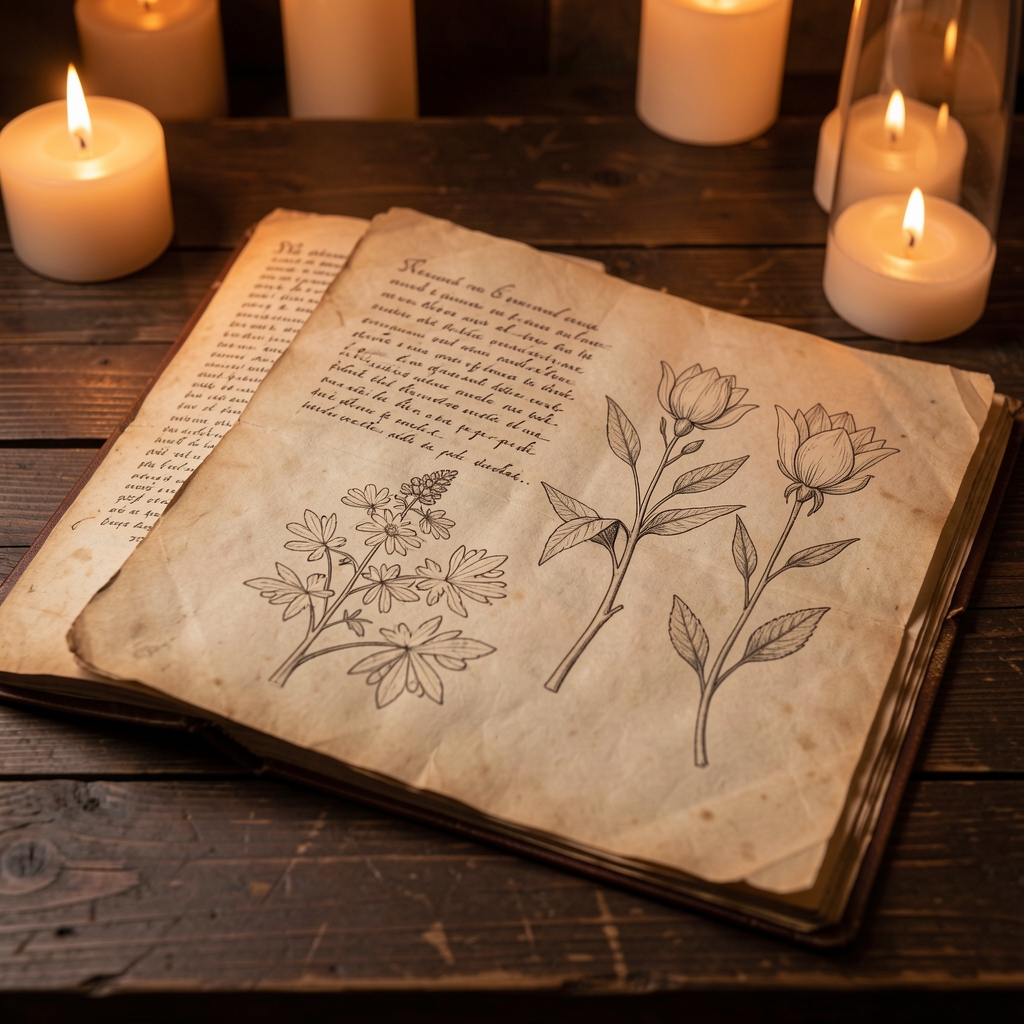
The question of how men have understood and tended to their own well-being is as old as recorded human thought. Across every culture and historical period for which records exist, there are descriptions of practices, principles, and frameworks directed at maintaining physical capacity, energy, and general vitality. Examining these traditions offers not only historical interest but also a broader perspective on how the concept of male wellness has been constructed, contested, and revised across time.
Ancient Foundations: Greece and Rome
In ancient Greece, the concept of male well-being was inseparable from the ideal of a balanced life: one that integrated physical activity, proper nutrition, rest, and intellectual engagement. The physician Hippocrates and his followers articulated a system in which health was understood as a state of equilibrium among four bodily humors, and in which the role of diet, exercise, and environment was central to maintaining that equilibrium. This framework, while not sustained by later scientific investigation, encoded an emphasis on balance and context that has proven to be a durable theme in the history of wellness thinking.
Roman approaches to male health drew heavily on Greek precedent but also reflected the practical concerns of a society organized around military service and civic participation. The writings of figures such as Galen expanded and systematized the humoral framework, producing detailed accounts of how diet, exercise regimens, and environmental conditions should be managed across different life stages and occupational contexts.
Traditional Asian Systems
In China, the classical system of understanding the body — which developed over centuries and was codified in foundational texts — described health in terms of the flow and balance of vital energy through the body's network of functional pathways. Male vitality was understood within this framework as a function of maintaining appropriate balance among various physiological qualities, which were seen as shaped by diet, seasonal patterns, physical activity, and emotional states. This system generated detailed and internally consistent prescriptions for how life should be organized to support lasting well-being.
The Ayurvedic tradition of South Asia similarly produced a comprehensive framework for understanding male well-being in terms of balance among fundamental constitutional types and the factors that influence them. This tradition, which has been practiced continuously for well over two thousand years, represents one of the most extensively developed systems for understanding the relationship between lifestyle, environment, and general vitality in the historical record.
The Malay Archipelago and Traditional Jamu Culture
In the Indonesian archipelago, traditional wellness practices have been shaped by a rich intersection of local knowledge, Hindu-Buddhist influences, and later Islamic intellectual traditions. The practice of jamu — a system of herbal and dietary preparations used for general well-being across different life stages — represents a significant tradition of knowledge about how local plants and food practices can be organized to support vitality. While the historical record for these practices is less systematically documented than for some classical traditions, the body of knowledge accumulated in communities across Java, Sumatra, and other islands is substantial and continues to influence contemporary understanding.
The Emergence of Modern Approaches
The transition from traditional frameworks to modern understandings of male well-being accelerated significantly in the nineteenth and twentieth centuries with the development of biochemistry, physiology, and eventually endocrinology. The identification of vitamins and minerals, the characterization of hormonal systems, and the development of systematic epidemiology created new frameworks for understanding the physiological basis of well-being and the factors that influence it.
This transition did not erase earlier frameworks, which persist in both popular culture and in formal traditional practice. It did, however, create a new dominant vocabulary for discussing male wellness — one based on measurable biological parameters rather than systemic balance principles — and this shift has shaped how the topic is discussed in contemporary contexts.
Continuities Across Traditions
Despite the diversity of cultural frameworks for understanding male wellness across history, several themes appear consistently. The importance of regular physical activity, adequate rest, contextually appropriate nutrition, and management of chronic stress are present in virtually every tradition that has addressed these questions in detail. The specific language and explanatory frameworks differ substantially, but the practical wisdom encoded in these traditions points in broadly similar directions.
This consistency across independent traditions is itself a form of evidence worth noting. It does not mean that all historical practices were equally effective or that all traditional knowledge should be accepted uncritically. It does suggest that certain features of a well-organized life have been recognized as significant across a wide range of human contexts, and that this accumulated observation deserves to be taken seriously as a source of contextual understanding.